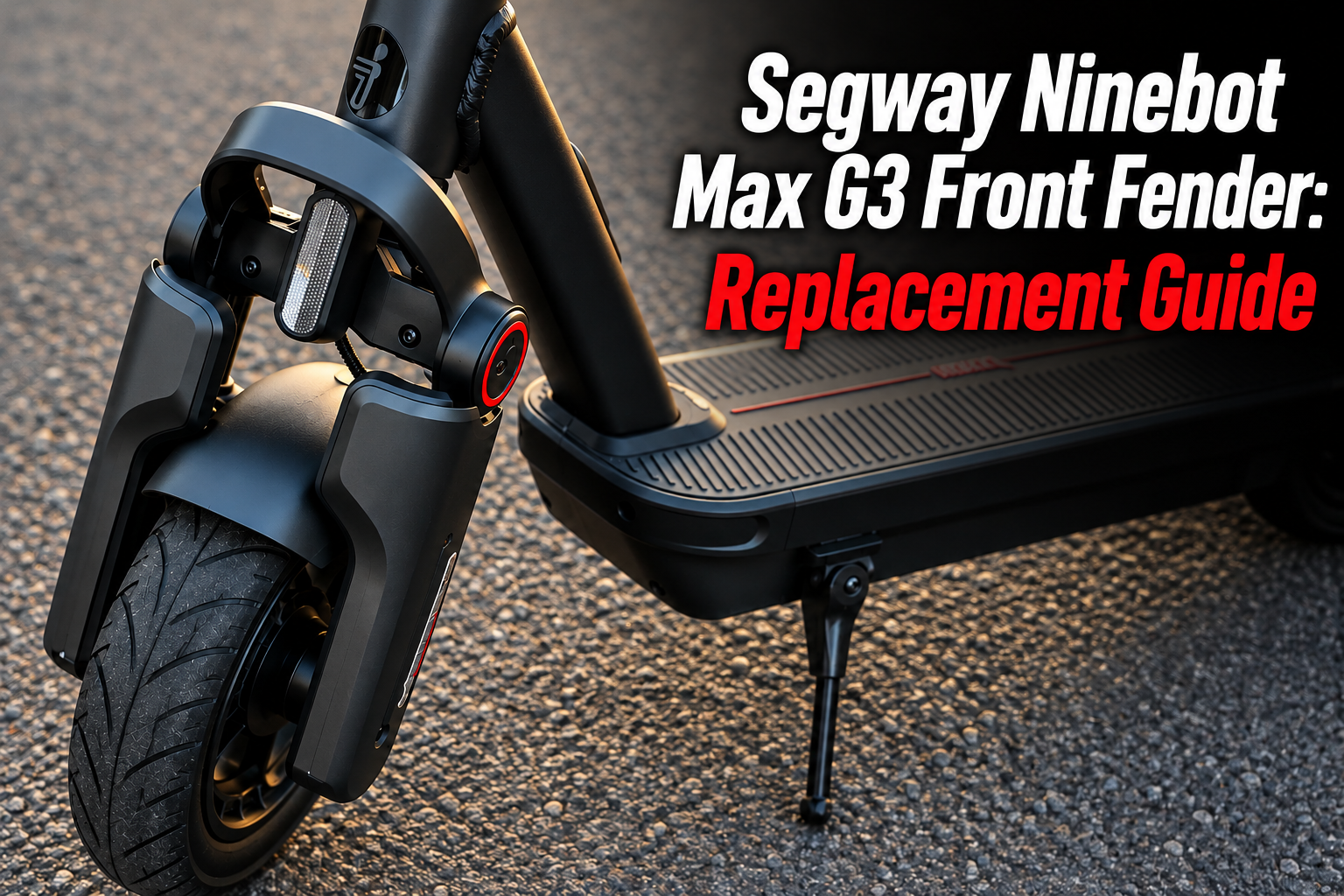
The Segway Ninebot Max G3 front fender is an important protective component designed to reduce water, mud, and road debris splashing onto the scooter and rider.
Located above the front wheel, the front fender helps keep the scooter cleaner while improving riding comfort, particularly on wet or dirty roads.
Like any component exposed to vibrations, impacts, and everyday riding conditions, the Segway Ninebot Max G3 front fender can become damaged, cracked, or loose over time.
In this guide, we explain its role, the most common signs of damage, what to check before replacing it, and how to maintain your front fender.
What Is the Role of the Segway Ninebot Max G3 Front Fender?
The Segway Ninebot Max G3 front fender is positioned above the scooter’s front tire and acts as a protective barrier against water, dirt, and small debris thrown up by the rotating wheel.
Its main purpose is to limit splashes and protect surrounding components during everyday riding.
The front fender is particularly useful when riding:
- On wet roads after rainfall.
- Through small puddles and damp surfaces.
- On roads covered with dust, sand, or mud.
- In urban environments with road debris.
- During daily commuting in changing weather conditions.
By reducing the amount of water and dirt projected from the front wheel, the fender helps maintain a cleaner scooter and a more comfortable riding experience.
However, the front fender does not make the scooter waterproof. It is still important to follow the manufacturer’s recommendations regarding riding in wet conditions.
How to Replace the Segway Ninebot Max G3 Front Fender
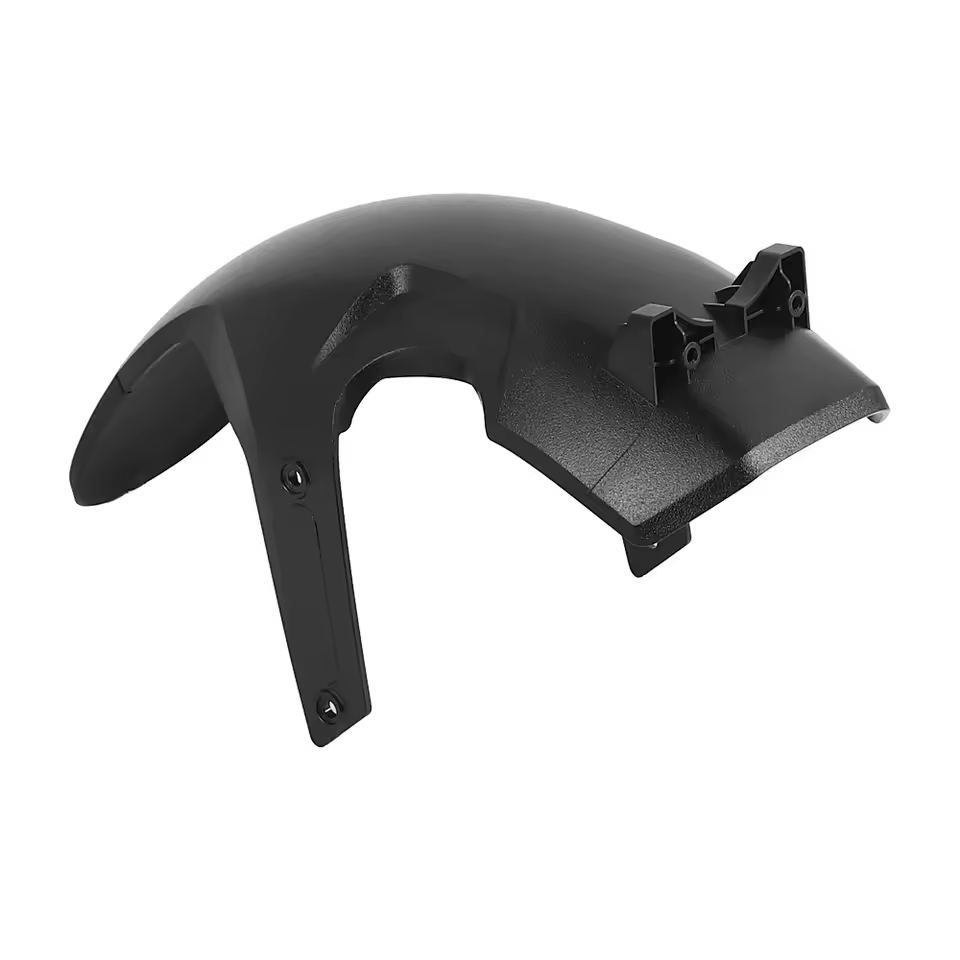
If your Segway Ninebot Max G3 front fender is cracked, broken, or damaged, replacing it with a compatible part helps restore the scooter’s original protection against water, mud, and road debris.
To make the replacement process easier, follow the video tutorial below showing how to remove the damaged front fender and install a new one.
Video Tutorial – Segway Ninebot Max G3 Front Fender Replacement
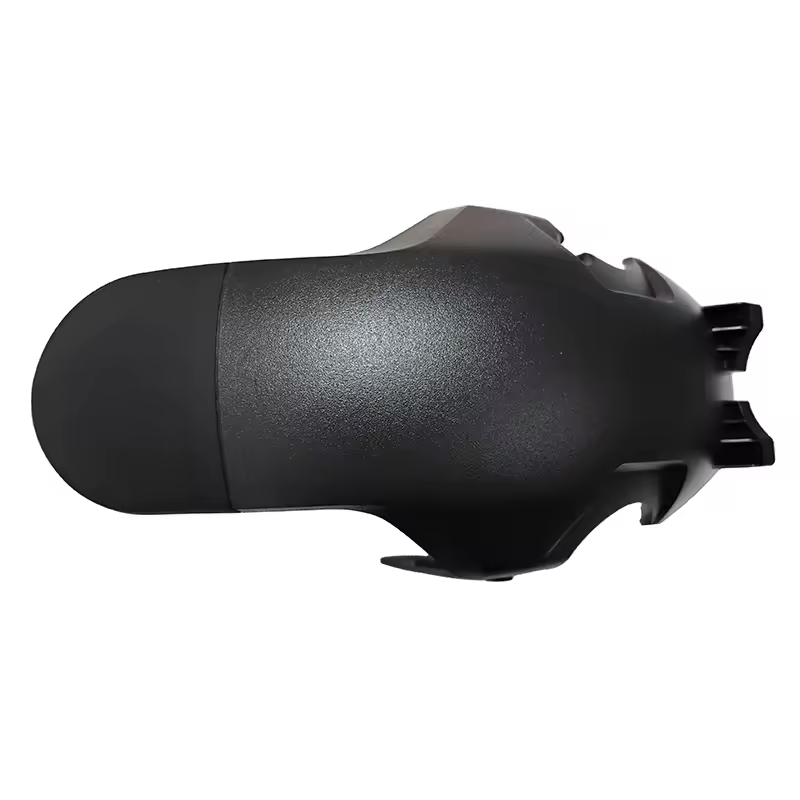
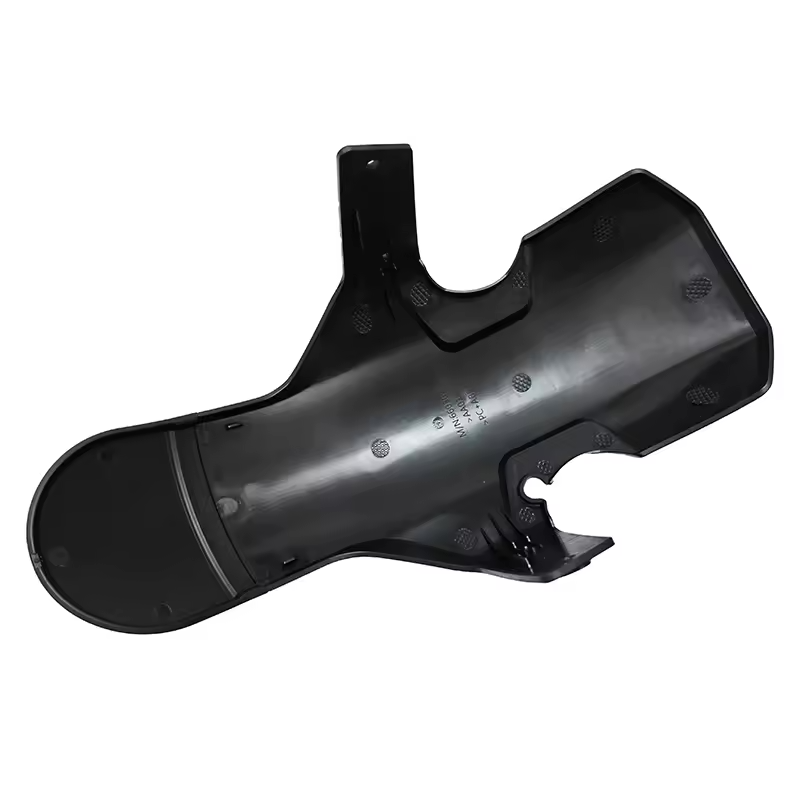
Segway Ninebot Max G3 Front Fender
When Should You Replace the Segway Ninebot Max G3 Front Fender?
Over time, the Segway Ninebot Max G3 front fender may deteriorate due to vibrations, impacts, accidental falls, or repeated exposure to road conditions.
Several signs can indicate that a replacement is necessary.
1. The Front Fender Is Cracked or Broken
Cracks are among the most common signs of damage.
They may appear after an impact, a fall, or repeated mechanical stress.
Even a small crack can gradually become larger due to vibrations while riding.
If the fender is significantly damaged, replacing it is generally preferable to attempting a temporary repair.
2. The Front Fender Is Loose
A loose front fender may produce rattling noises, particularly when riding over uneven surfaces.
This can be caused by loose mounting screws, damaged attachment points, or a cracked support.
Before replacing the fender, inspect the mounting points and check whether the screws are correctly secured.
3. The Front Fender Rubs Against the Tire
If you hear an unusual rubbing noise coming from the front wheel, the fender may be misaligned or damaged.
A front fender that touches the tire can interfere with wheel rotation and should be inspected immediately.
Avoid riding until the cause of the contact has been identified and corrected.
4. The Front Fender Is Missing
If the original front fender has been removed or lost, the scooter may become more exposed to water, mud, and debris thrown up by the front tire.
Installing a compatible replacement helps restore the original splash protection.
How to Maintain the Segway Ninebot Max G3 Front Fender
Regular maintenance can help extend the lifespan of your front fender and prevent minor problems from becoming more serious.
Clean the Front Fender Regularly
Mud, sand, and road debris can accumulate around the front wheel and underneath the fender.
Use a soft cloth, a brush, and a small amount of water to remove dirt.
Avoid high-pressure water jets near electrical components and sensitive areas.
Check the Mounting Screws
Vibrations from everyday riding may gradually loosen certain fasteners.
Periodically inspect the fender mounting points to ensure the component remains securely attached.
Inspect for Cracks
Check the fender after a fall, impact, or ride on particularly rough terrain.
Small cracks around the mounting points can develop over time and eventually cause the component to break.
Avoid Excessive Mechanical Stress
The front fender is designed to protect against splashes, not to support heavy loads or absorb significant impacts.
Avoid applying pressure to the fender when lifting, transporting, or storing your scooter.
FAQ: Segway Ninebot Max G3 Front Fender
What Is the Purpose of the Segway Ninebot Max G3 Front Fender?
The front fender helps prevent water, mud, and road debris from being thrown upward by the rotating front tire. It contributes to riding comfort and helps keep surrounding components cleaner.
Can I Replace the Segway Ninebot Max G3 Front Fender Myself?
Yes, replacing the front fender may be possible with suitable tools and basic mechanical knowledge. However, the exact procedure depends on the mounting system. If you are unfamiliar with scooter maintenance, professional assistance is recommended.
Why Is My Segway Ninebot Max G3 Front Fender Making Noise?
Rattling or vibration noises may be caused by loose mounting screws, damaged attachment points, or a cracked fender. Inspect the component and its mounting system to identify the problem.
Can a Broken Front Fender Affect Riding Safety?
Yes. A damaged or loose front fender may move out of position and come into contact with the front tire. If the fender interferes with wheel rotation or steering, stop using the scooter until the problem has been corrected.
Is the Segway Ninebot Max G3 Front Fender Waterproof?
The front fender is designed to resist normal exposure to water and road splashes. However, it does not waterproof the scooter or prevent all water from reaching surrounding components.
Are All Segway Ninebot Front Fenders Compatible With the Max G3?
No. Front fenders may differ in shape, dimensions, and mounting points between Segway Ninebot models. Always choose a replacement specifically compatible with the Segway Ninebot Max G3.
When Should I Replace My Segway Ninebot Max G3 Front Fender?
You should consider replacing the front fender if it is cracked, broken, missing, or no longer securely attached. If it rubs against the tire, inspect and correct the problem before riding.
Conclusion: Keep Your Segway Ninebot Max G3 Front Fender in Good Condition
The Segway Ninebot Max G3 front fender plays an important role in protecting the scooter and rider from water, mud, and road debris.
Although it is a relatively simple component, a damaged or incorrectly installed front fender can affect riding comfort and potentially interfere with the front wheel.
Regular inspection, cleaning, and maintenance can help extend its lifespan.
If the original fender becomes cracked, broken, or loose beyond repair, replacing it with a compatible Segway Ninebot Max G3 front fender helps restore the scooter’s original splash protection and maintain proper wheel clearance.


Leave a Reply