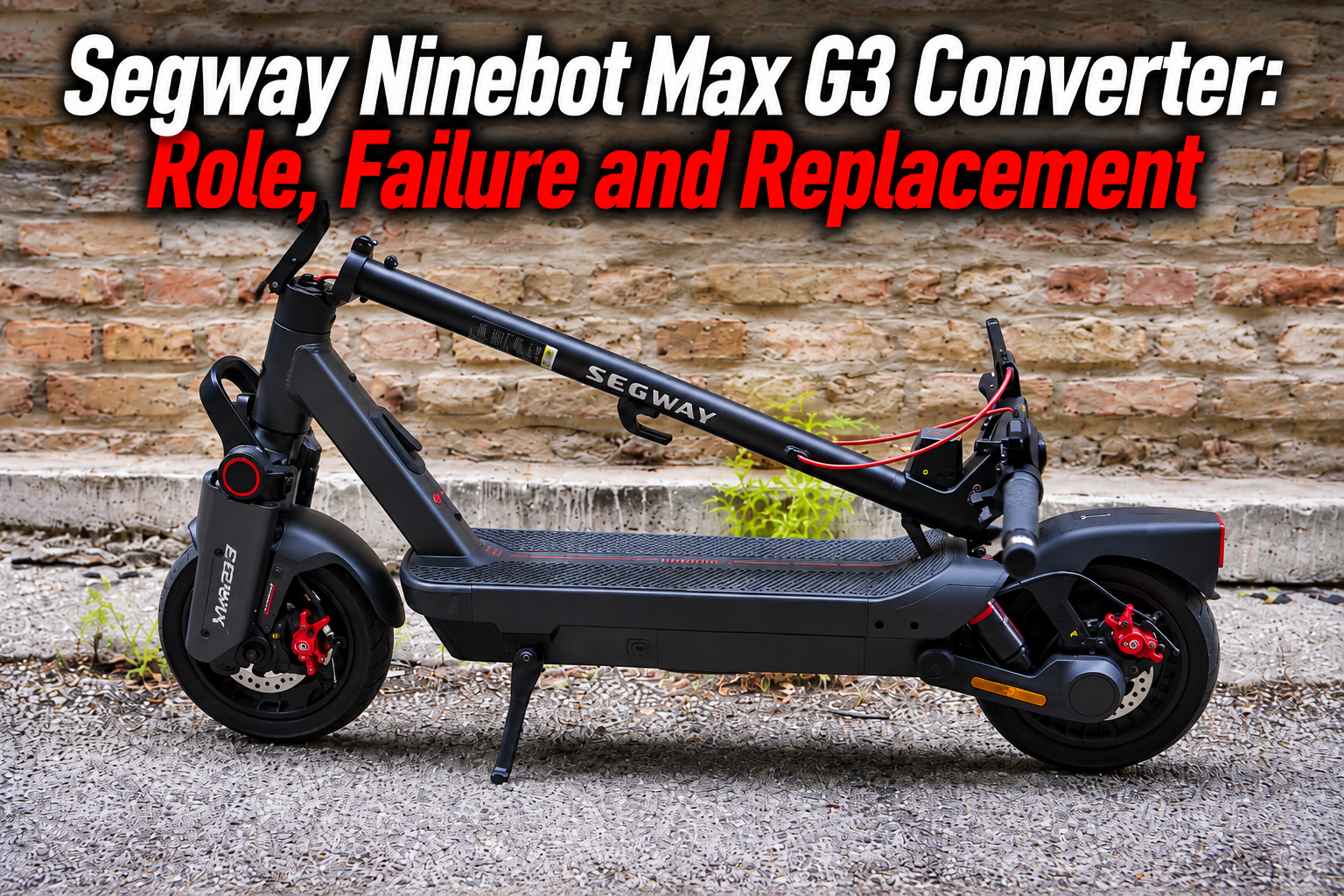
The Segway Ninebot Max G3 converter is an important electronic component in the scooter’s electrical system. It helps manage and adapt the electrical power required by different components of the Max G3.
A faulty Segway Ninebot Max G3 converter can cause electrical problems or prevent certain components from operating correctly.
In this guide, we explain the role of the converter, the main signs of failure, what to check before replacing it and how to replace the converter on your Segway Ninebot Max G3.
What Is the Role of the Segway Ninebot Max G3 Converter?
The Segway Ninebot Max G3 converter is part of the scooter’s electrical system.
The different electronic components of an electric scooter do not necessarily operate with the same electrical requirements. The converter helps provide suitable electrical power to the systems connected to it.
It therefore contributes to the correct operation of the scooter’s electrical equipment.
Unlike mechanical components such as tires or brake pads, the converter has no mechanical wear surface. It should normally only be replaced if it becomes faulty or damaged.
Why Can a Segway Ninebot Max G3 Converter Fail?
The Segway Ninebot Max G3 converter is an electronic component and can be affected by several types of electrical or physical damage.
Possible causes include:
- damaged electrical wiring;
- a loose or damaged connector;
- moisture or water infiltration;
- corrosion on electrical contacts;
- an electrical fault;
- damaged connector pins;
- overheating;
- a short circuit;
- damage following an impact;
- internal electronic failure.
Before replacing the converter, it is important to determine whether the problem actually comes from the converter or from another part of the electrical system.
Signs of a Faulty Segway Ninebot Max G3 Converter
The symptoms of a faulty Segway Ninebot Max G3 converter can vary depending on the type of failure.
Possible signs include:
- electrical equipment no longer operating correctly;
- intermittent electrical operation;
- components suddenly switching off;
- abnormal electrical behavior;
- repeated electrical faults;
- visible damage to the converter;
- damaged or burnt connectors;
- signs of corrosion;
- damaged wiring around the converter.
These symptoms do not automatically confirm that the converter itself is defective.
A damaged cable, loose connector or another electronic component can produce similar symptoms.
What Should You Check Before Replacing the Converter?
Before ordering a new Segway Ninebot Max G3 converter, inspect the electrical connections around the component.
Completely switch off the scooter before working on the electrical system.
Check:
- the converter connectors;
- the connector pins;
- the wiring;
- cables for cuts or pinching;
- signs of moisture;
- corrosion;
- signs of overheating;
- loose electrical connections;
- visible damage to the converter.
Disconnect and reconnect accessible connectors carefully to make sure they are correctly seated.
Never pull directly on the electrical wires when disconnecting a connector.
If the scooter displays an error code, identify the corresponding fault before replacing components unnecessarily.
When Should You Replace the Segway Ninebot Max G3 Converter?
There is no fixed mileage interval for replacing the Segway Ninebot Max G3 converter.
If the component continues to operate normally, preventive replacement is generally unnecessary.
Replacement may be required when:
- the converter is confirmed to be faulty;
- the housing or connectors are damaged;
- electrical problems persist after checking the wiring;
- there are signs of internal electrical damage;
- corrosion has seriously affected the component;
- the converter has been damaged following water infiltration or an impact.
Correct diagnosis is particularly important with electronic components because several different faults can produce similar symptoms.
How to Replace the Segway Ninebot Max G3 Converter
Replacing the Segway Ninebot Max G3 converter requires access to the scooter’s internal electrical components.
Before starting, completely switch off the scooter and place it securely on a stable surface.
The general replacement procedure involves:
- Accessing the compartment containing the converter.
- Identifying the converter and its connectors.
- Taking note of the original cable routing and connector positions.
- Carefully disconnecting the electrical connectors.
- Removing the converter mounting hardware.
- Removing the faulty converter.
- Positioning the replacement converter correctly.
- Reinstalling the mounting hardware.
- Reconnecting each electrical connector in its original position.
- Checking the cable routing before closing the scooter.
Pay particular attention to the wiring during reassembly.
No cable should be pinched, excessively bent or placed where it could rub against another component.
Video Tutorial: Segway Ninebot Max G3 Converter Replacement
Replacing an electronic component requires careful disassembly and correct reconnection of the wiring.
The video tutorial shows the different steps required to access and replace the Segway Ninebot Max G3 converter.
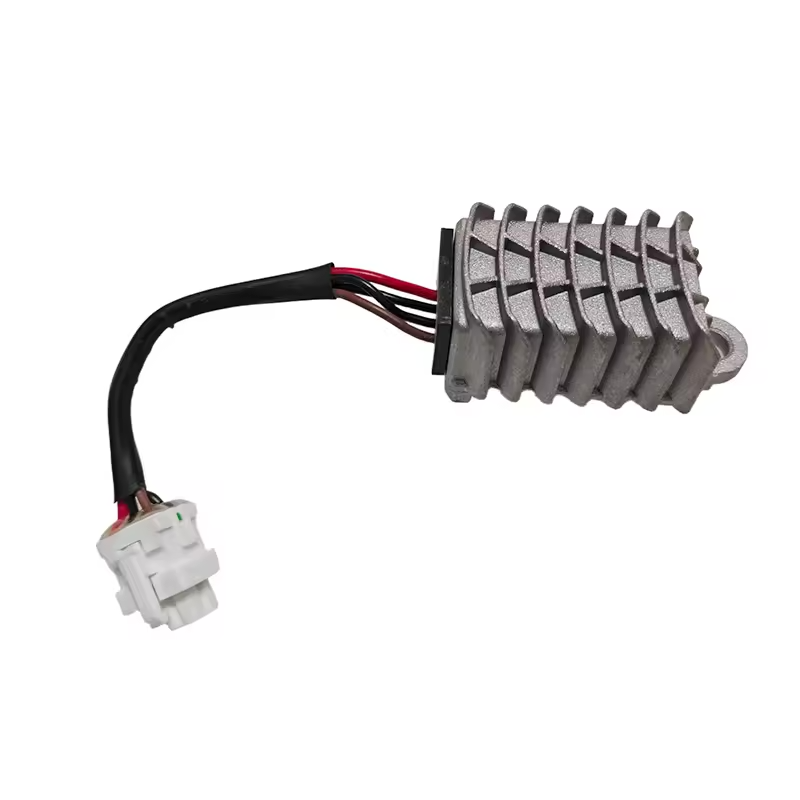
Segway Ninebot Max G3 Converter
If your original converter has been diagnosed as faulty or damaged, it can be replaced with a compatible Segway Ninebot Max G3 converter.


What Should You Check After Replacing the Converter?
Before fully reassembling the scooter, inspect all electrical connections.
Make sure:
- every connector is correctly connected;
- no connector has been forgotten;
- the wiring follows its original routing;
- no cable is pinched;
- no wire is excessively stretched;
- the converter is securely mounted.
Once the scooter has been reassembled, switch it on and check that the affected electrical systems operate normally.
Also check that no error code appears and that there is no abnormal electrical behavior.
Perform an initial low-speed test in a safe area before returning to normal riding.
How to Protect the Segway Ninebot Max G3 Converter
The Segway Ninebot Max G3 converter does not require regular mechanical maintenance, but protecting the scooter’s electrical system can help reduce the risk of failure.
Periodically check the scooter for:
- damaged wiring;
- loose connectors;
- signs of moisture;
- corrosion;
- damaged seals or covers;
- unusual electrical behavior.
When working inside the scooter, always ensure that covers and seals are correctly repositioned during reassembly.
Maintaining the Segway Ninebot Max G3 Electrical System
The Segway Ninebot Max G3 converter plays an important role in the scooter’s electrical system. If it becomes damaged or faulty, some electrical components may stop operating normally or behave intermittently.
Before replacing the converter, always inspect the wiring, connectors and surrounding components. If the converter itself is confirmed to be faulty, it can then be replaced following the appropriate procedure.
For maintenance and repairs, choose Segway Ninebot Max G3 parts tested and approved by the Riders community, selected for their compatibility and reliability.


Leave a Reply