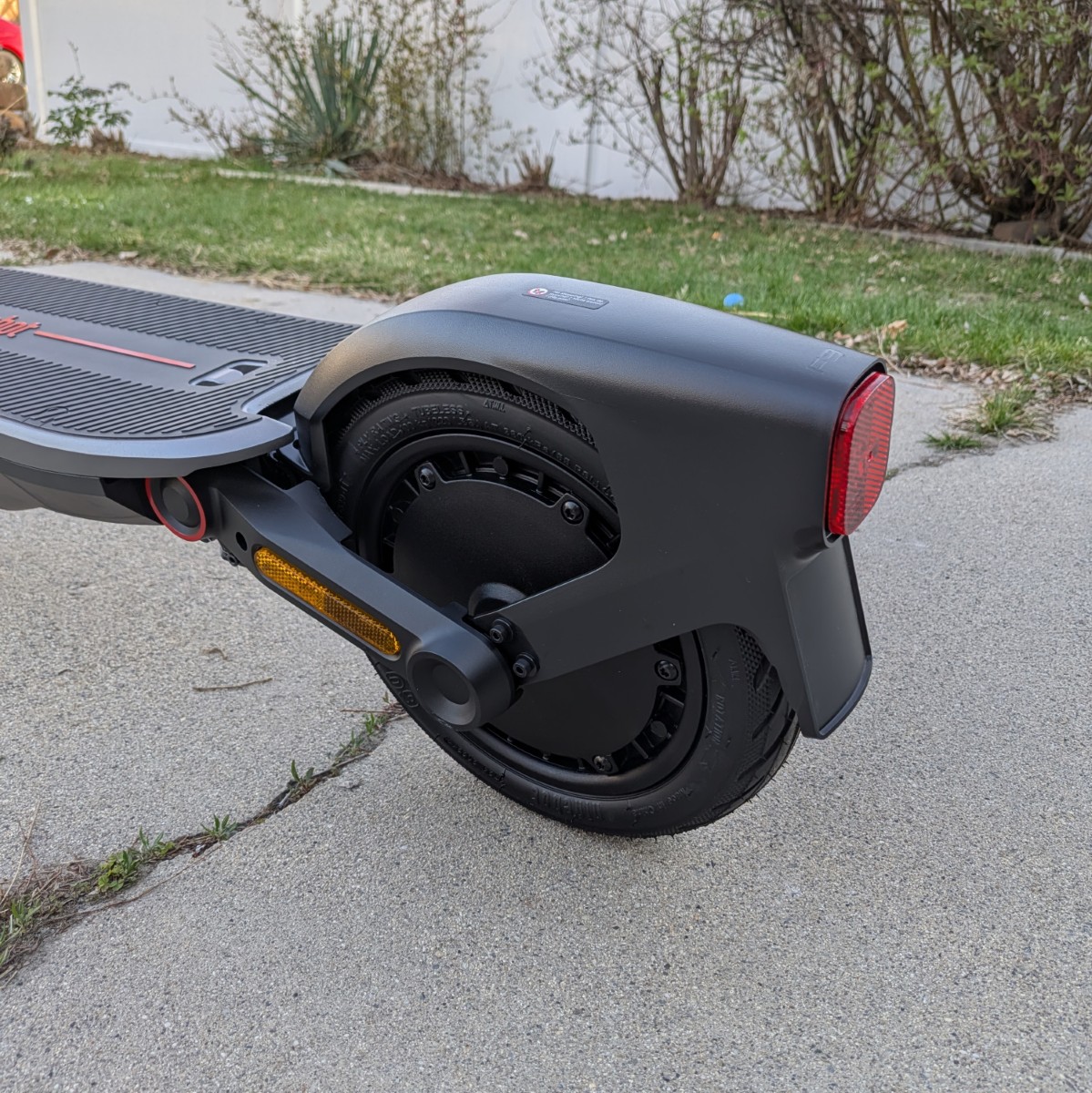
Segway Ninebot F3 Rear Light: An Essential Safety Component
The Segway Ninebot F3 and Segway Ninebot F3 Pro are premium electric scooters designed to deliver an excellent balance of performance, comfort, and safety. With their powerful motor, long range, and front and rear suspension, they are ideal for both daily urban commuting and longer rides.
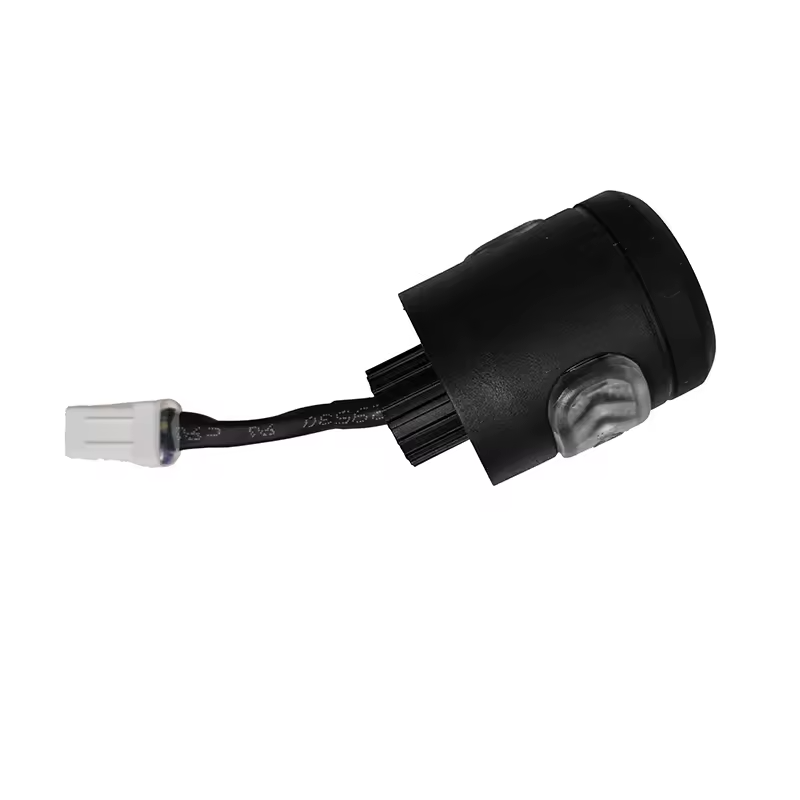
One of the most important safety features is the Segway Ninebot F3 rear light. More than just a tail light, it makes your scooter clearly visible to other road users and significantly improves your visibility during both daytime and nighttime riding.
What is the purpose of the Segway Ninebot F3 rear light?
The Segway Ninebot F3 rear light helps drivers, cyclists, and pedestrians easily spot your scooter while you’re riding.
Whenever you apply the brakes, the rear light automatically increases its brightness, functioning as a true brake light.
This instantly alerts vehicles behind you that you’re slowing down, helping to reduce the risk of rear-end collisions.
This feature is particularly valuable in:
- city traffic;
- congested roads;
- low-light conditions;
- night riding.
The rear light works together with the front headlight as part of the scooter’s complete lighting system.
When should you replace the Segway Ninebot F3 rear light?
Over time, the Segway Ninebot F3 rear light may become damaged due to falls, impacts, continuous vibrations, or water intrusion.
Common signs that indicate replacement is needed include:
- the rear light no longer turns on;
- reduced brightness;
- intermittent flickering;
- the brake light no longer activates;
- a cracked or broken housing.
A damaged housing can allow moisture to enter the light assembly, potentially causing permanent failure of the LED electronics.
Replacing a faulty rear light promptly helps maintain maximum visibility and keeps your scooter safe to ride.
Video tutorial: Replacing the Segway Ninebot F3 rear light
Replacing the Segway Ninebot F3 rear light is a straightforward repair that requires only a few basic tools.
We’ll soon publish a complete step-by-step video tutorial showing how to:
- remove the original rear light;
- access the electrical connector;
- install the new rear light;
- verify that the lighting system is working correctly.
Following the tutorial will help you complete the installation safely and restore full visibility to your scooter.
Where to buy a Segway Ninebot F3 rear light?
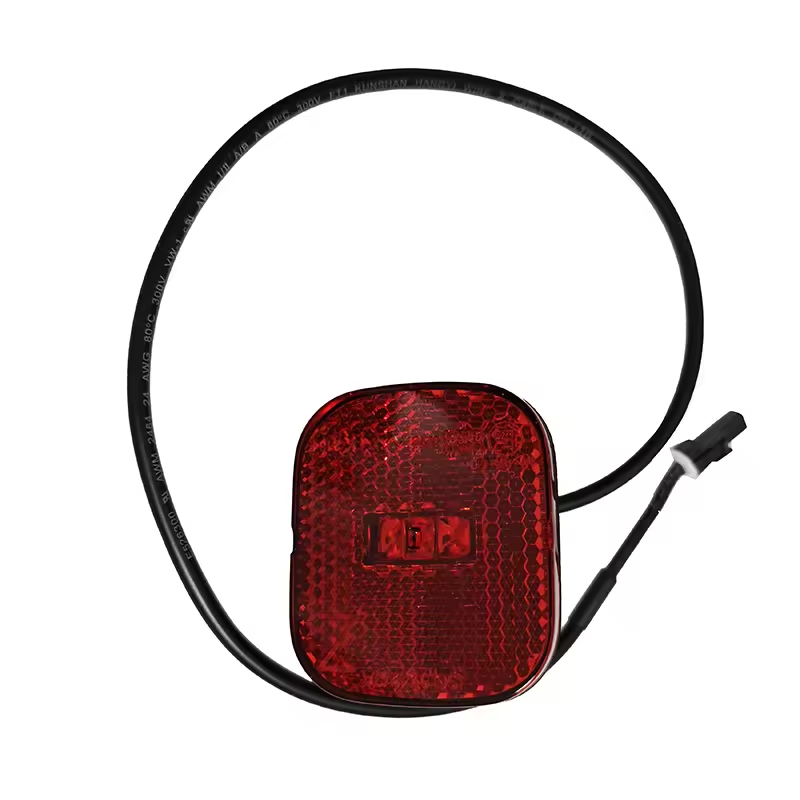
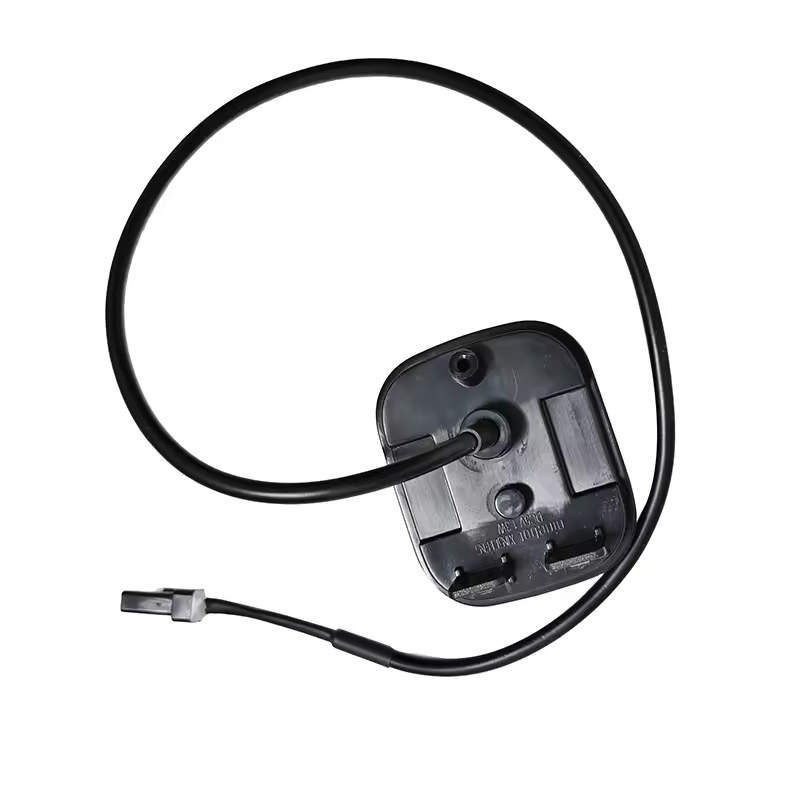
To ensure perfect compatibility, we recommend using an original Segway Ninebot F3 rear light.
An official replacement part guarantees:
- perfect compatibility;
- quick and easy installation;
- excellent water resistance;
- bright LED illumination;
- reliable operation of both the tail light and brake light.
Check the rear light after installation
After installing your new Segway Ninebot F3 rear light, take a few minutes to verify that everything is working properly.
Start by turning on your scooter and checking that the rear position light illuminates correctly.
Next, squeeze both brake levers to confirm that the brake light becomes noticeably brighter during braking.
Finally, inspect the wiring to ensure the cable is properly routed and cannot be pinched or damaged while riding.
Before returning to normal use, perform a short test ride to verify that the entire lighting system functions correctly.
Maintaining your Segway Ninebot F3
The Segway Ninebot F3 rear light is an essential safety component that helps keep you visible in every riding condition.
Regularly inspecting its condition allows you to detect problems early and replace it before it fails completely.
During routine maintenance, it’s also a good idea to inspect:
- the front headlight;
- turn signals;
- braking system;
- electrical connectors;
- other lighting components.
Keeping your lighting system in excellent condition helps ensure safer rides, whether you’re commuting during the day or riding after dark.
For maintenance, repairs, or upgrades, discover the Segway Ninebot F3 parts tested and approved by the Riders community, carefully selected for their compatibility, reliability, and long-term durability.
Leave a Reply