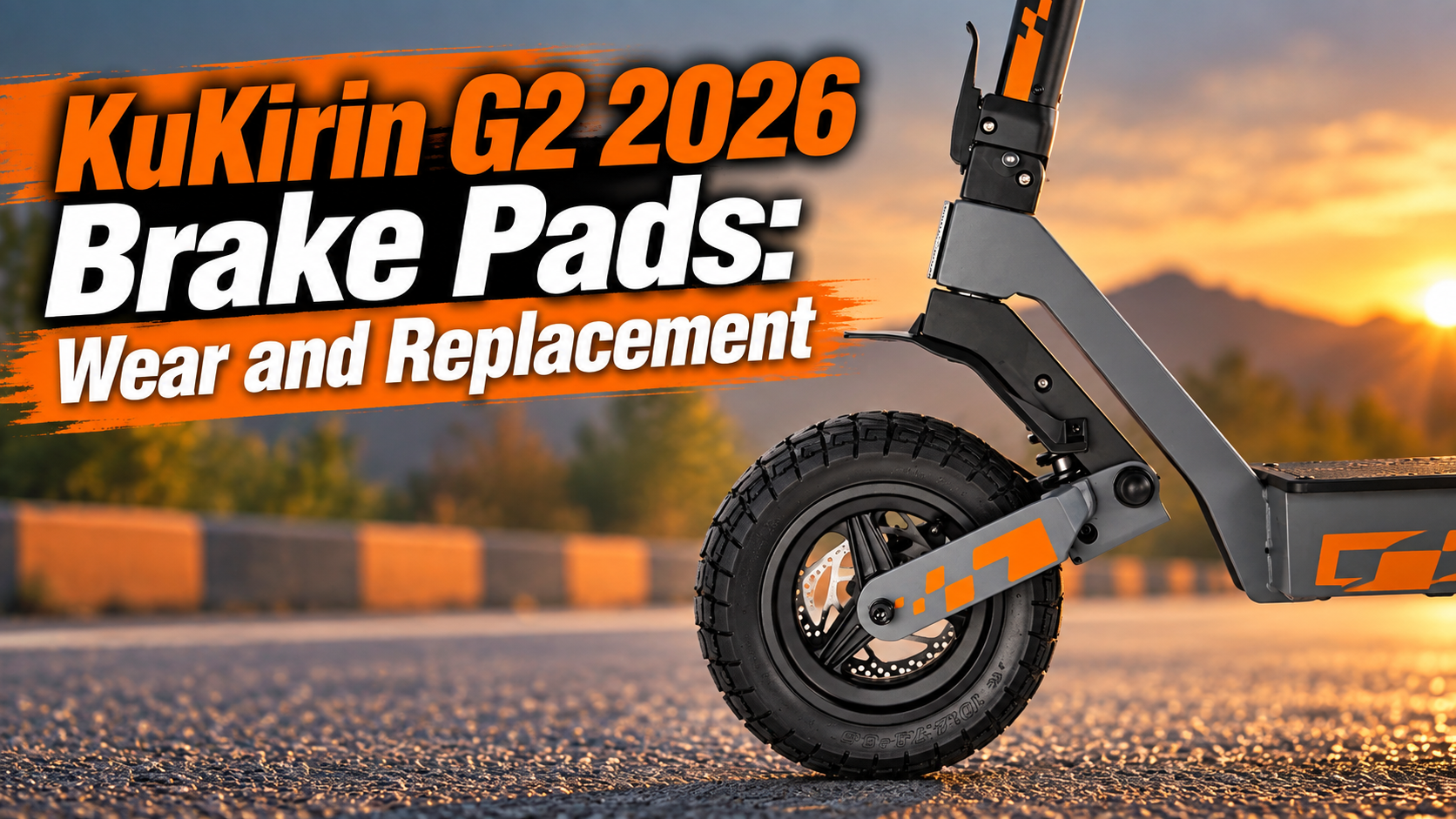
The KuKirin G2 2026 brake pads are essential wear parts of your scooter’s braking system. They create friction against the brake disc when you press the brake lever, helping to slow down and stop the scooter efficiently.
As you ride, the friction material on the KuKirin G2 2026 brake pads gradually becomes thinner. Regular inspection is therefore important to maintain effective braking and prevent excessively worn pads from damaging the brake discs.
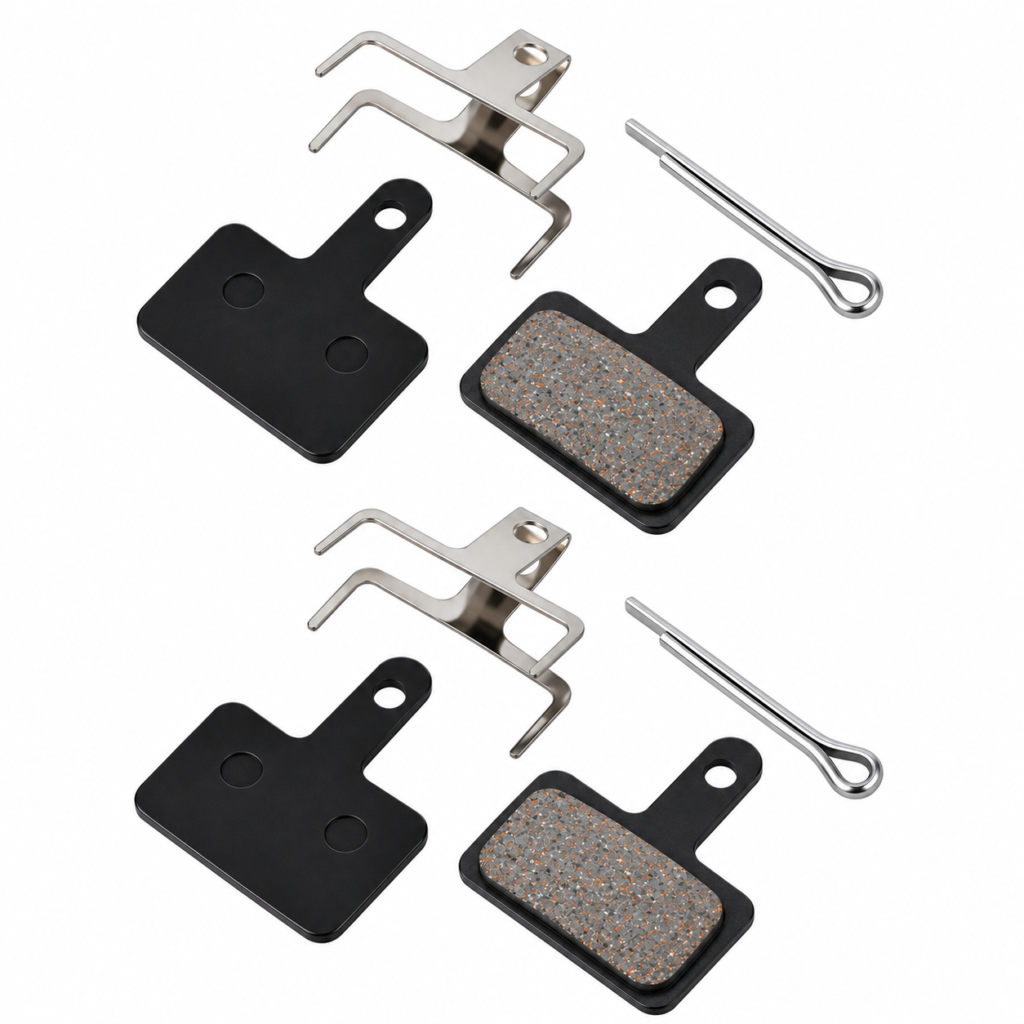
In this guide, we explain when to replace your brake pads, how to recognize the main signs of wear and how to maintain the braking system on your KuKirin G2 2026.
What Is the Role of the KuKirin G2 2026 Brake Pads?
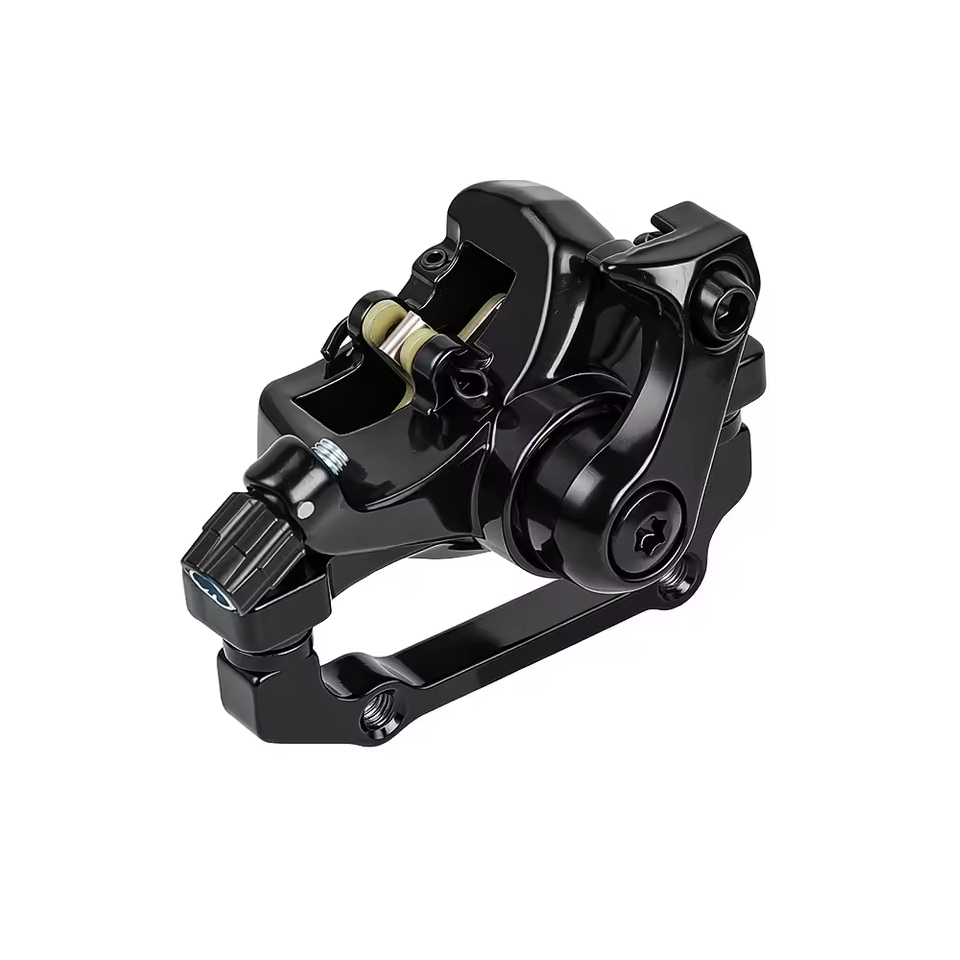
The KuKirin G2 2026 brake pads are installed inside the brake caliper.
When you press the brake lever, the pads are pushed against the brake disc. The friction created between the pads and disc reduces the rotation of the wheel and slows down the scooter.
A small amount of friction material is consumed every time you brake. Brake pad wear is therefore completely normal.
As the material becomes thinner, the pads eventually need to be replaced to maintain consistent braking performance.
When Should You Replace the KuKirin G2 2026 Brake Pads?
We generally recommend replacing the KuKirin G2 2026 brake pads between 500 and 1,000 km, depending on their condition and how you use your scooter.
This mileage is only a general guideline because brake pad lifespan can vary significantly depending on:
- braking frequency;
- braking intensity;
- rider and load weight;
- riding conditions;
- frequent downhill riding;
- urban riding with repeated stops;
- aggressive or sporty riding.
A rider who frequently brakes hard or rides in areas with many descents may need to replace the pads earlier.
Mileage should therefore only be used as a reference. The actual thickness and condition of the friction material remain the most important indicators.
How to Recognize Worn KuKirin G2 2026 Brake Pads
Several symptoms can indicate that your KuKirin G2 2026 brake pads are becoming worn.
Check the braking system if you notice:
- reduced braking performance;
- longer braking distances;
- squeaking or grinding noises;
- metallic noises when braking;
- less progressive braking;
- unusual vibrations;
- very thin friction material;
- poor braking performance even after adjustment.
A visual inspection is one of the easiest ways to determine how much friction material remains.
If the pads are becoming very thin, replacement should be planned before the metal backing reaches the brake disc.
Why Should You Avoid Completely Worn Brake Pads?
Continuing to ride with excessively worn KuKirin G2 2026 brake pads can affect both braking performance and the condition of your brake discs.
Once the friction material is almost completely worn away, the metal backing of the pad can come into direct contact with the disc.
This can cause:
- significantly reduced braking performance;
- metallic grinding noises;
- scratches on the brake disc;
- premature brake disc wear;
- damage to other braking components.
Replacing the brake pads at the right time can therefore help extend the lifespan of your brake discs.
What Should You Check Before Replacing the Brake Pads?
Reduced braking performance does not necessarily mean that the KuKirin G2 2026 brake pads are the only component responsible.
Before replacing them, also check:
- the condition of the brake disc;
- brake caliper alignment;
- caliper mounting hardware;
- the general condition of the braking system;
- the wear of both brake pads.
If your brake caliper starts squeaking, first inspect the brake pads and brake disc.
If the noise continues while the pads and disc remain in good condition, the brake caliper itself may be starting to wear or develop a problem.
How to Replace the KuKirin G2 2026 Brake Pads
Before replacing the KuKirin G2 2026 brake pads, completely switch off the scooter and place it securely on a stable surface.
Access the brake caliper and carefully remove the old brake pads.
While the pads are removed, take the opportunity to inspect the brake disc and the inside of the caliper.
Install the new brake pads in the correct position.
After installation:
- Make sure the new pads are correctly positioned.
- Check the alignment of the brake caliper with the disc.
- Check that all mounting hardware is correctly tightened.
- Rotate the wheel manually.
- Make sure excessive friction does not prevent the wheel from rotating freely.
- Press the brake lever several times.
- Check that the braking system responds correctly.
Before returning to normal riding, perform several progressive braking tests at low speed in a safe area.
KuKirin G2 2026 Brake Pads
If your brake pads are approaching 500 to 1,000 km of use, inspect the remaining friction material and replace the pads if necessary.
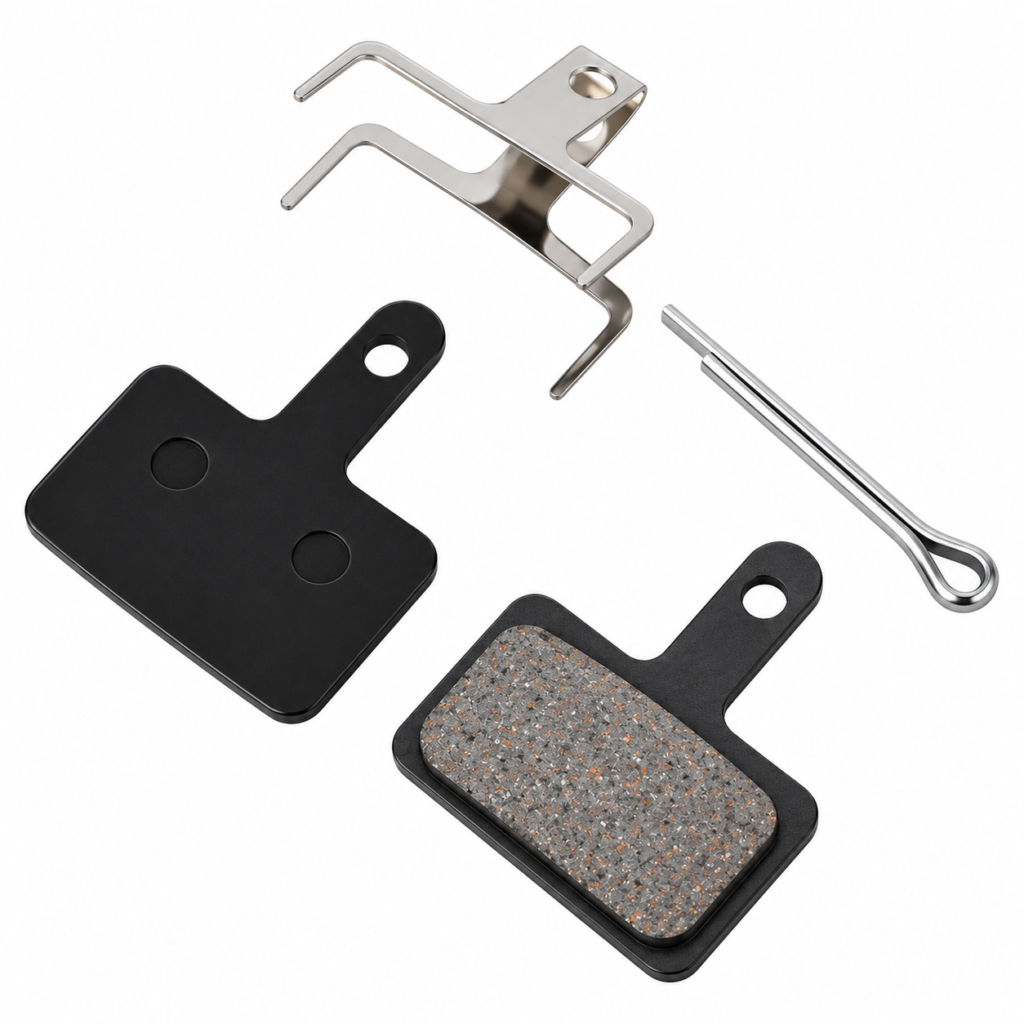
How to extend the lifespan of your KuKirin G2 2026 Brake Pads
Your riding and braking habits have a direct impact on the lifespan of the KuKirin G2 2026 brake pads.
When conditions allow, use progressive braking rather than repeated hard braking.
Regularly check the alignment of the brake caliper and disc as well. A brake pad that constantly rubs against the disc while riding can wear much faster than normal.
Periodic visual inspections can also help identify uneven wear between the pads before it becomes a larger braking problem.
Maintaining the Brakes on Your KuKirin G2 2026
The KuKirin G2 2026 brake pads are wear parts that should be inspected regularly to maintain reliable braking performance.
We generally recommend replacing them between 500 and 1,000 km, depending on your riding style, braking intensity and, most importantly, the actual condition of the friction material.
For maintenance and repairs, choose KuKirin G2 2026 parts tested and approved by the Riders community, selected for their compatibility and reliability.

Leave a Reply