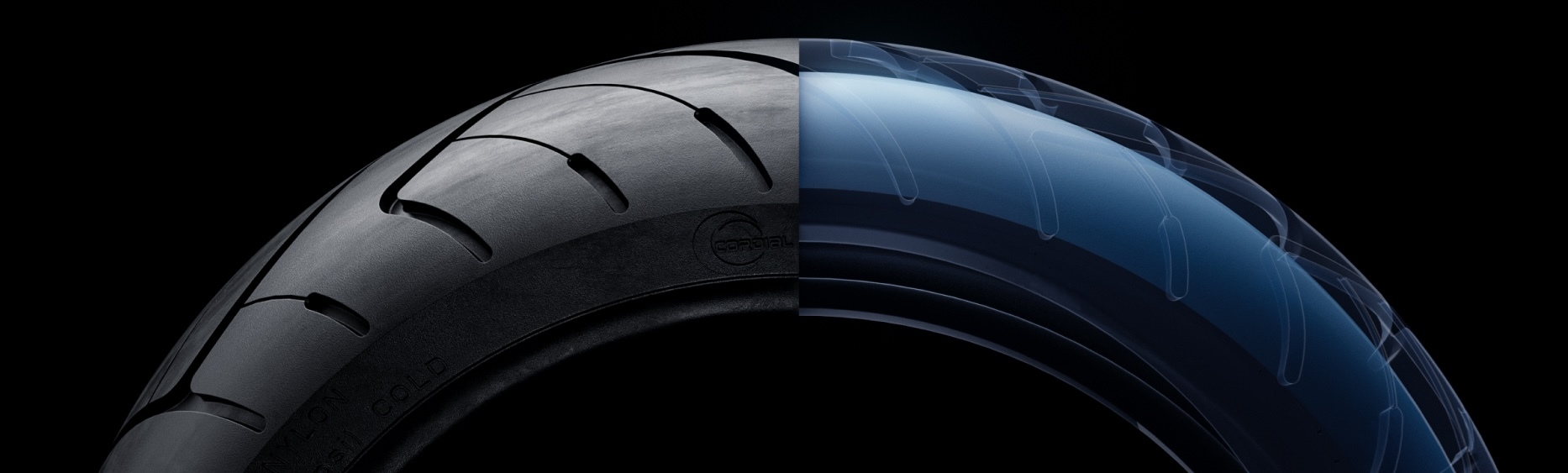
Segway Ninebot Max G3 Tire Maintenance: Ride Longer with Comfort and Confidence
The Segway Ninebot Max G3 tire is a key element of both safety and riding comfort. As the miles add up, a poorly maintained tire can quickly reduce grip, increase the risk of punctures, and impact the scooter’s overall performance.
This maintenance guide aims to share simple and effective tips to extend tire lifespan and keep riding with confidence and peace of mind. This is the first part of a series dedicated to Segway Ninebot Max G3 maintenance, which will later cover brakes, lighting, and folding mechanisms.
Why Segway Ninebot Max G3 Tire Maintenance Is Essential
A well-maintained Segway Ninebot Max G3 tire ensures better grip, optimal stability, and a smoother ride. On the other hand, incorrect pressure or a damaged tire can lead to performance loss, premature wear, and increased braking distances.
Regular maintenance helps anticipate problems before they become critical and directly contributes to rider safety.
Checking Segway Ninebot Max G3 Tire Pressure
Tire pressure is one of the most important parameters to monitor.
It is recommended to check the Segway Ninebot Max G3 tire pressure at least once a month, or whenever you notice a loss of comfort or stability. A check is also essential before riding again after more than 30 days of inactivity.
The recommended pressure range is between 2.9 and 3.3 bar for optimal use.
The authorized safety range extends from 1.7 to 3.5 bar.
Pressure should be measured when the tire is cold, after at least two hours without riding or following a trip of less than 3 km. Using an accurate pressure gauge is strongly recommended to obtain a reliable reading.
Inspecting the Condition of the Segway Ninebot Max G3 Tire
A visual and tactile inspection of the Segway Ninebot Max G3 tire helps quickly detect signs of wear or damage. Check for cracks, deformations, embedded objects, or weakened areas.
Minor cracks, less than 2 mm deep and 5 mm long, with no exposed cord, still allow for normal use, provided the tire’s condition is monitored regularly.
However, deeper cracks, visible cords, bulges larger than 10 mm, or a pressure loss greater than 15% per week indicate that tire replacement is strongly recommended.
Checking the Tread Depth of the Segway Ninebot Max G3 Tire
Tread depth is a critical safety indicator. If the Segway Ninebot Max G3 tire tread reaches 0.8 mm or less, or aligns with the wear indicator, the tire must be replaced.
This check can be performed using a dedicated measuring tool or through simple visual inspection when the wear indicators become visible.
A worn tire significantly reduces grip, especially on wet surfaces.
Regularly Cleaning the Segway Ninebot Max G3 Tire
Cleaning directly contributes to the longevity of the Segway Ninebot Max G3 tire. It is recommended to regularly remove mud, dust, and greasy residues.
A soft cloth combined with a mild, non-aggressive detergent is sufficient. Corrosive or abrasive products should be avoided, as they can damage the rubber compound.
It is also important to quickly remove hard objects lodged in the tire, such as stones or metal fragments, to prevent internal structural damage.
The Risks of Poor Segway Ninebot Max G3 Tire Maintenance
Incorrect pressure or a damaged tire can lead to several negative consequences. Scooter performance decreases, energy consumption increases, and the risk of punctures or loss of control becomes significantly higher.
Regular Segway Ninebot Max G3 tire maintenance is therefore essential to preserve safety, riding comfort, and the long-term durability of the scooter.
Quick Checklist: Segway Ninebot Max G3 Tire Maintenance Essentials
To ride with confidence and extend the lifespan of your Segway Ninebot Max G3 tire, remember to regularly check the following points:
- Pressure checked at least once a month
- Ideal pressure between 2.9 and 3.3 bar
- Pressure always kept within the safety range of 1.7 to 3.5 bar
- No deep cracks, bulges, or visible cords
- Tread depth greater than 0.8 mm
- Regular cleaning and removal of foreign objects
- Monitoring for abnormal pressure loss
Where to Buy a New Segway Ninebot Max G3 Tire
For the Segway Ninebot Max G3, two types of tires are available depending on your usage: a tire with anti-puncture gel, designed to reduce everyday punctures, and a tire without anti-puncture gel, which is more classic and lightweight. The choice mainly depends on how often you ride and the condition of the roads you use.
Segway Ninebot Max G3 Tire with Anti-Puncture Gel
The Segway Ninebot Max G3 tire with anti-puncture gel is particularly well-suited for regular urban commuting. The integrated gel helps reduce the risk of punctures caused by small debris such as glass shards or thorns, limiting the need for repairs.

Segway Ninebot Max G3 Jelly vacuum tire (70/60–7.5)
Segway Ninebot Max G3 Jelly vacuum tire (70/60–7.5)
Only 2 left in stock
This type of tire is recommended for riders who use their scooter frequently and want greater peace of mind in daily use.
Segway Ninebot Max G3 Tire Without Anti-Puncture Gel
The Segway Ninebot Max G3 tire without anti-puncture gel corresponds to the original configuration. It offers a good balance between comfort, performance, and cost, while maintaining the feel of a standard new tire.

Segway Ninebot Max G3 Road tire (70/60–7.5)
Segway Ninebot Max G3 Road tire (70/60–7.5)
In stock
This option is ideal for riders who travel on clean, well-maintained roads or who prefer simplicity and lighter weight.
Video Tutorial: How to Change Your Segway Ninebot Max G3 Tire
Go Further with Segway Ninebot Max G3 Maintenance
Maintaining the Segway Ninebot Max G3 tire is an essential first step, but it should be part of a broader maintenance approach. Brakes, lighting, and mechanical components also directly influence safety and riding enjoyment.
To extend the lifespan of your scooter and ride with confidence, explore the parts and accessories dedicated to Segway Ninebot Max G3 maintenance.
Leave a Reply