
Segway Ninebot Max G3 Tire: Complete Guide and Recommended Pressure
The Segway Ninebot Max G3 is one of the most versatile electric scooters in the Ninebot lineup. Designed for both urban commuting and long-distance riding, it combines comfort, stability, and range. However, to maintain all of its performance, proper tire maintenance is essential. Here is everything you need to know about Segway Ninebot Max G3 tires, including the ideal pressure, technical specifications, and the different versions available.
Tubeless Road Tires for Greater Efficiency
The Ninebot Max G3 is equipped with tubeless road tires sized 70/60–7.5, which corresponds to an 11-inch diameter. These tires are designed to provide optimal grip on asphalt, a high level of riding comfort, and increased resistance to punctures.
Thanks to tubeless technology, there is no risk of pinching an inner tube. The tire mounts directly onto the rim, reducing air leaks and simplifying maintenance. This design ensures a more stable ride, especially during braking or on slightly uneven roads.
Road tires also offer better energy efficiency. Their low rolling resistance helps maximize range and improve steering precision, while reducing vibrations over long distances.
Ideal Pressure Between 42 and 50 PSI
Tire pressure has a direct impact on safety, handling, and range. For Segway Ninebot Max G3 tires, the recommended pressure is between 42 and 50 PSI.
Pressure that is too low can lead to energy loss, premature sidewall wear, and an increased risk of punctures. On the other hand, pressure that is too high reduces grip and decreases comfort.
It is therefore recommended to check tire pressure at least once a month, preferably when the tires are cold, using an accurate pressure gauge. This regular check will ensure consistent performance and extend the lifespan of your tires.
Segway Ninebot Max G3 Tires: With or Without Anti-Puncture Gel
Segway Ninebot Max G3 tires are available in two distinct versions.
The first version, without gel, corresponds to the original factory setup. It provides a more natural ride and better road feedback. This option is particularly suitable for riders who value precise handling and riding sensations.

Segway Ninebot Max G3 Road tire (70/60–7.5)
Segway Ninebot Max G3 Road tire (70/60–7.5)
In stock
The second version, with anti-puncture gel, is designed for those who prioritize peace of mind and everyday reliability. The integrated gel automatically seals small punctures, preventing sudden pressure loss. This is a smart choice for urban commuting or areas where roads are often littered with gravel or debris.

Segway Ninebot Max G3 Jelly vacuum tire (70/60–7.5)
Segway Ninebot Max G3 Jelly vacuum tire (70/60–7.5)
In stock
When to Replace Your Segway Ninebot Max G3 Tires
A worn or damaged tire affects both stability and braking performance. If the tread becomes smooth or if cracks start to appear, it is time to replace the tire.
Uneven wear between the front and rear tires may also indicate a pressure or alignment issue. By maintaining the recommended pressure and regularly inspecting tire condition, you will preserve the long-term performance of your Segway Ninebot Max G3.
Segway Ninebot Max G3 Tire: Key Takeaways
The 11-inch Segway Ninebot Max G3 tires are designed to deliver comfort, efficiency, and durability. Their tubeless technology reduces the risk of punctures, while a pressure range between 42 and 50 PSI ensures the perfect balance between grip and performance.
The choice between tires with or without anti-puncture gel depends on your riding style: pure riding feel or enhanced protection. In both cases, proper maintenance guarantees stability and reliability worthy of the best urban electric scooters.
Continue to maintain and upgrade your Segway Ninebot Max G3 with parts tested and approved by the Riders community.
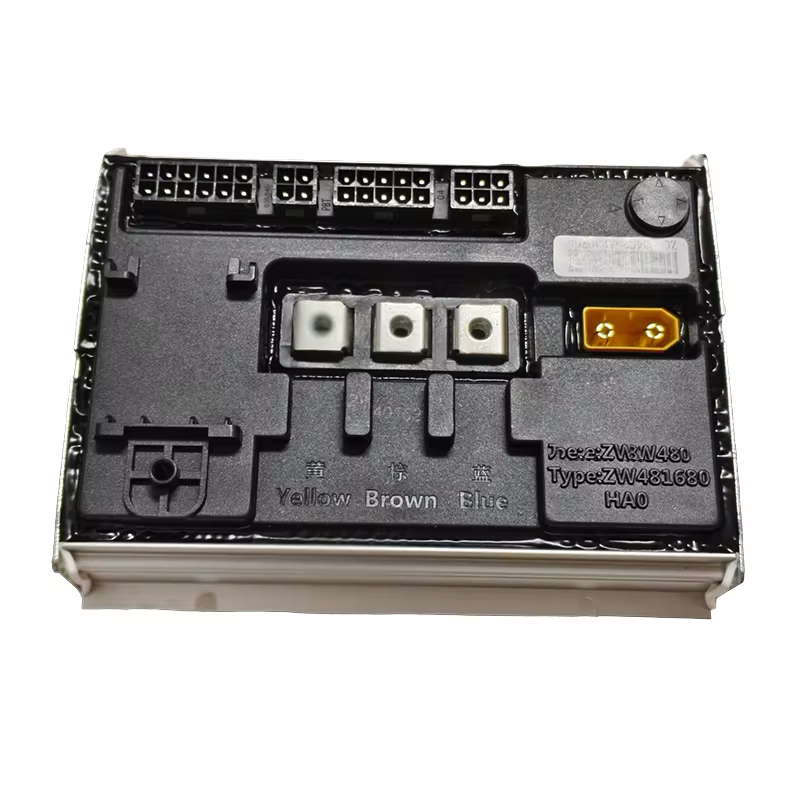
Segway Ninebot Max G3 Controller
110.00€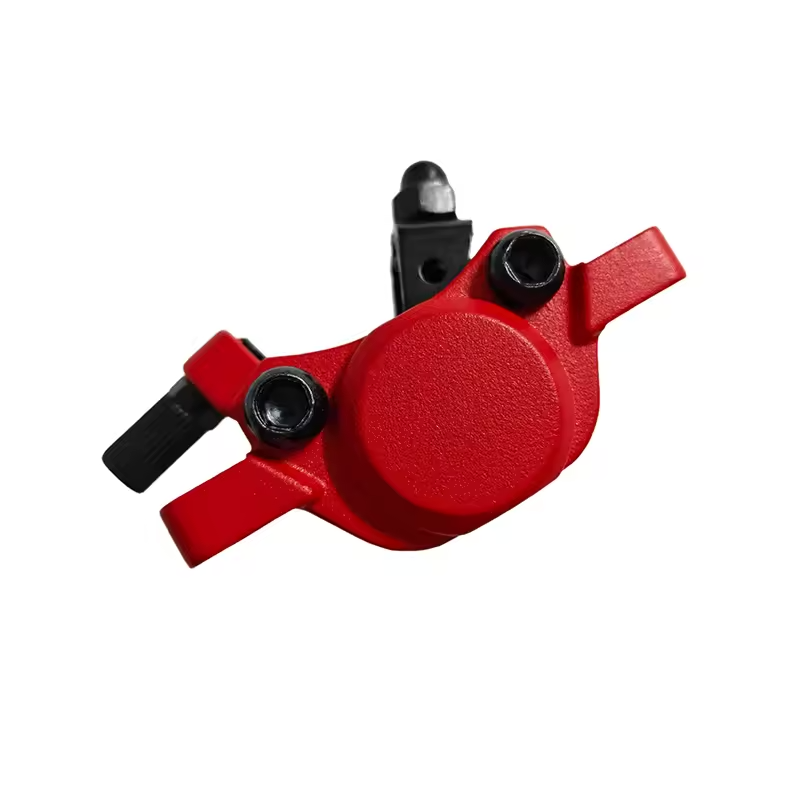
Segway Ninebot Max G3 Disc brake caliper
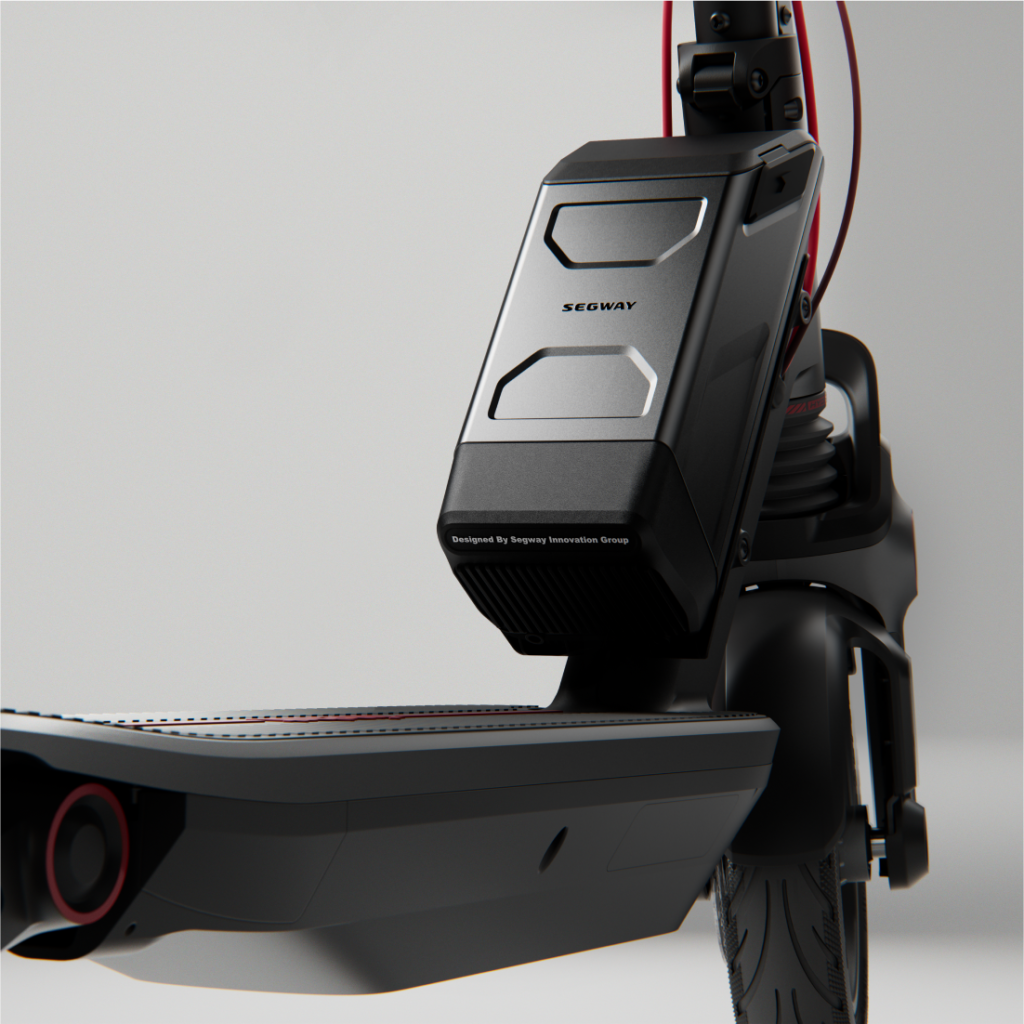
40.00€Segway Ninebot Max G3, F3/F3 Pro et GT3 External battery
Original price was: 299.00€.265.00€Current price is: 265.00€.
Leave a Reply