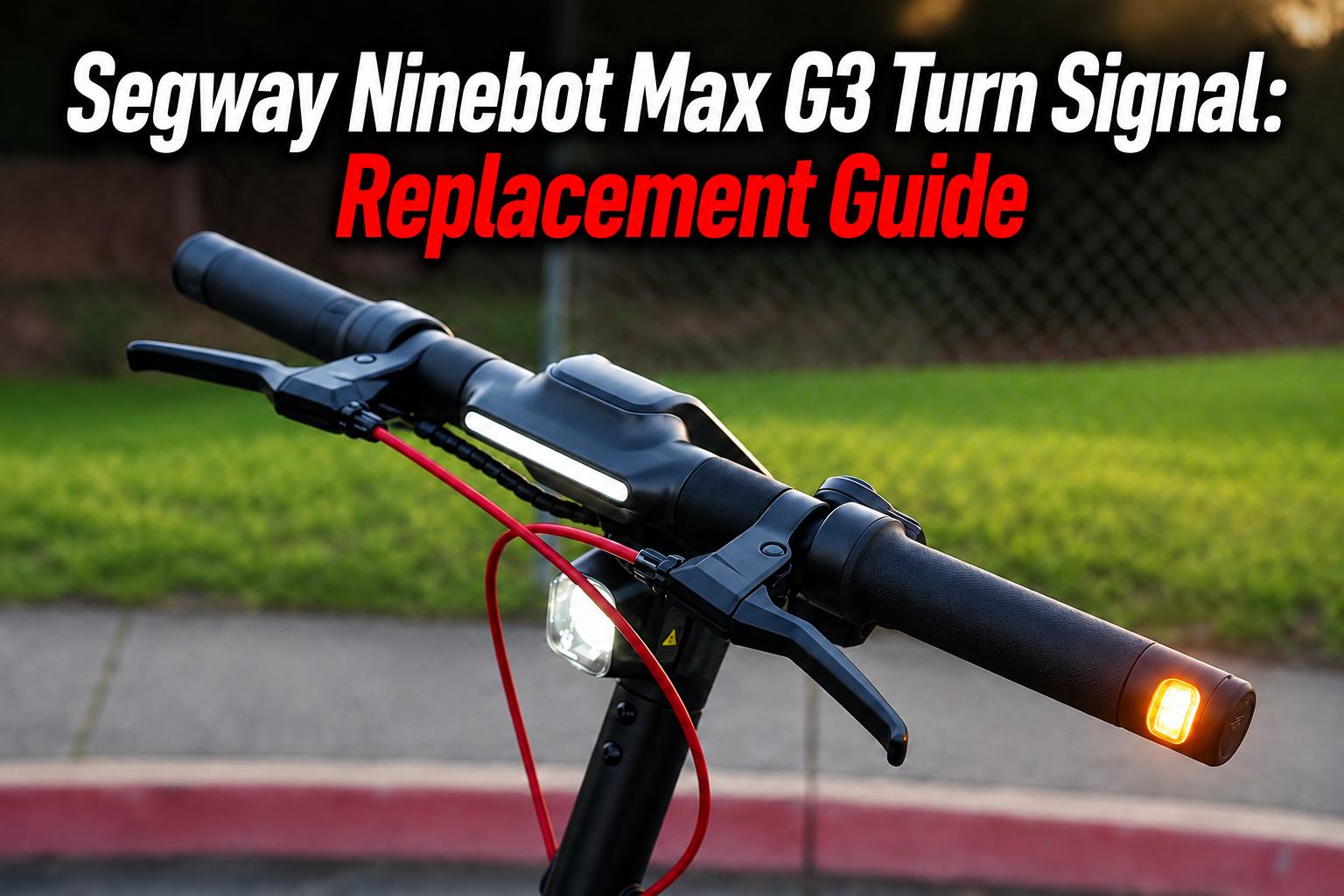
The Segway Ninebot Max G3 turn signal is an essential safety component that helps riders communicate their intentions to other road users when turning or changing direction.
Like any component exposed to vibrations, everyday use, and occasional impacts, the turn signal can become damaged or stop working correctly.
In this guide, we explain the role of the Segway Ninebot Max G3 turn signal, how to replace it using our video tutorial, the main signs of failure, and what to check before purchasing a replacement part.
What Is the Role of the Segway Ninebot Max G3 Turn Signal?
The Segway Ninebot Max G3 turn signal is part of the scooter’s integrated lighting and signaling system.
Its main purpose is to indicate the rider’s intention to turn or change direction, making movements easier for other road users to anticipate.
Turn signals are particularly useful when riding:
- In urban areas with heavy traffic.
- At intersections and roundabouts.
- When changing direction or preparing to turn.
- At night or in low-light conditions.
- On roads shared with cars, bicycles, and other vehicles.
Unlike traditional hand signals, electronic indicators allow riders to signal their intentions while keeping both hands on the handlebars.
Properly functioning turn signals therefore contribute to visibility, communication, and overall riding safety.
How to Replace the Segway Ninebot Max G3 Turn Signal
Replacing a damaged Segway Ninebot Max G3 turn signal allows you to restore your scooter’s original signaling functionality.
To make the replacement process easier, follow the video tutorial below showing how to remove the damaged indicator and install a new one.
The tutorial covers the replacement of the front turn signals on the Segway Ninebot Max G3.
Video Tutorial – Segway Ninebot Max G3 Turn Signal Replacement
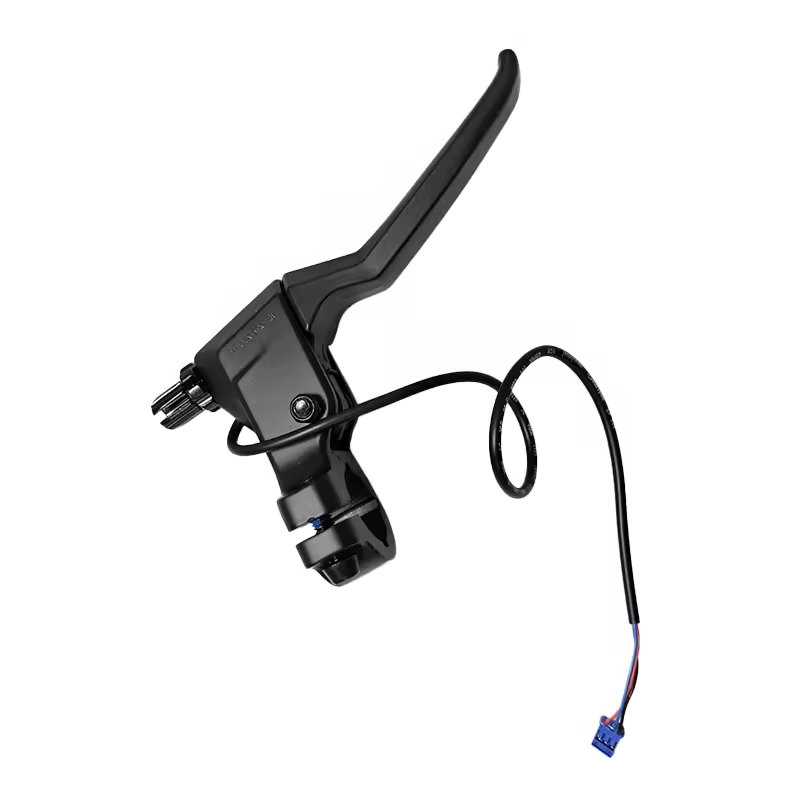
Segway Ninebot Max G3 Turn Signal Replacement Part
If your original indicator is damaged or no longer functioning correctly, you can find original Segway Ninebot Max G3 turn signal.


When Should You Replace a Segway Ninebot Max G3 Turn Signal?
Over time, the Segway Ninebot Max G3 turn signal may become damaged due to impacts, falls, vibrations, or exposure to environmental conditions.
Several symptoms can indicate that a replacement is necessary.
1. The Turn Signal No Longer Works
One of the most common problems is an indicator that no longer lights up when activated.
This may be caused by a damaged LED unit, a disconnected cable, or an electrical fault.
2. The Turn Signal Works Intermittently
If the indicator occasionally stops working or flickers unexpectedly, the problem may be related to a loose connector, damaged wiring, or a faulty lighting unit.
3. The Turn Signal Is Physically Damaged
A fall or impact can damage the indicator housing, lens, or mounting points.
Even if the LED continues to operate, a cracked housing may allow moisture and dirt to enter the component.
4. The Turn Signal Is Dimmer Than Usual
If one indicator becomes noticeably dimmer than the others, it may indicate a problem with the LED unit or its electrical connection.
A damaged or weakened turn signal can reduce visibility, particularly during nighttime riding.
What Should You Check Before Replacing the Turn Signal?
Before purchasing a replacement Segway Ninebot Max G3 turn signal, it is worth checking a few elements to identify the source of the problem.
First, verify that the indicator is correctly activated using the scooter’s controls.
Next, inspect the visible condition of the indicator housing and surrounding wiring.
If accessible, check that the electrical connector is properly attached and that no cables appear damaged.
It is also important to identify the exact indicator that needs replacing.
Depending on its position, the front and rear turn signals may have different mounting systems, shapes, or connectors.
Always verify compatibility with your Segway Ninebot Max G3 before ordering a replacement part.
How to Maintain Your Segway Ninebot Max G3 Turn Signals
Regular maintenance can help keep your turn signals functioning correctly and reduce the risk of unexpected failures.
Although the indicators do not generally require extensive maintenance, a few precautions are recommended.
Check the Indicators Regularly
Before riding, activate the turn signals to verify that they are working correctly.
Pay particular attention after a fall, impact, or long period without using the scooter.
Keep the Turn Signals Clean
Dust, mud, and road debris can accumulate on the indicator lenses and reduce their visibility.
Clean the exterior using a soft, slightly damp cloth.
Avoid abrasive products or high-pressure water jets that could damage the housing or electrical connections.
Inspect the Housing and Wiring
Check that the indicator housing remains securely attached and that there are no visible cracks or damaged cables.
If you notice condensation inside the indicator or intermittent operation after exposure to moisture, inspect the component before continuing to ride.
Avoid Unnecessary Impacts
Turn signals can be exposed to accidental impacts during transportation, storage, or falls.
Handle your scooter carefully when folding, carrying, or storing it to reduce the risk of damage.
FAQ: Segway Ninebot Max G3 Turn Signal
Can I Replace the Segway Ninebot Max G3 Turn Signal Myself?
Yes, replacing a turn signal may be possible with suitable tools and basic mechanical knowledge. You can follow the video tutorial included in this guide. If you are not comfortable working with electrical components, professional assistance is recommended.
Why Is My Segway Ninebot Max G3 Turn Signal Not Working?
A faulty turn signal may be caused by a damaged LED unit, loose connector, broken wiring, or another electrical problem. Check the visible connections and the condition of the indicator before replacing it.
Are the Front and Rear Segway Ninebot Max G3 Turn Signals the Same?
Not necessarily. Front and rear indicators may have different mounting points, connectors, or shapes. Always check the exact compatibility of the replacement part before purchasing.
Do I Need to Replace Both Turn Signals?
No. If only one indicator is damaged, replacing the faulty component is generally sufficient, provided the other indicators are functioning correctly.
Can Water Damage the Segway Ninebot Max G3 Turn Signal?
Yes. Although the scooter is designed with water-resistant components, prolonged exposure to moisture or water infiltration can potentially damage electrical connections and lighting units.
Avoid using high-pressure water jets when cleaning your scooter.
Conclusion: Replace Your Segway Ninebot Max G3 Turn Signal
The Segway Ninebot Max G3 turn signal plays an important role in making direction changes more visible to other road users.
If an indicator becomes damaged, stops working, or operates intermittently, identifying the cause and replacing the faulty component can help restore the scooter’s original signaling system.
With a compatible replacement part and the installation video tutorial, you can better understand the replacement process and keep your scooter in good working condition.
Discover the Segway Ninebot Max G3 turn signal and other compatible spare parts and accessories on Labashop.

Leave a Reply