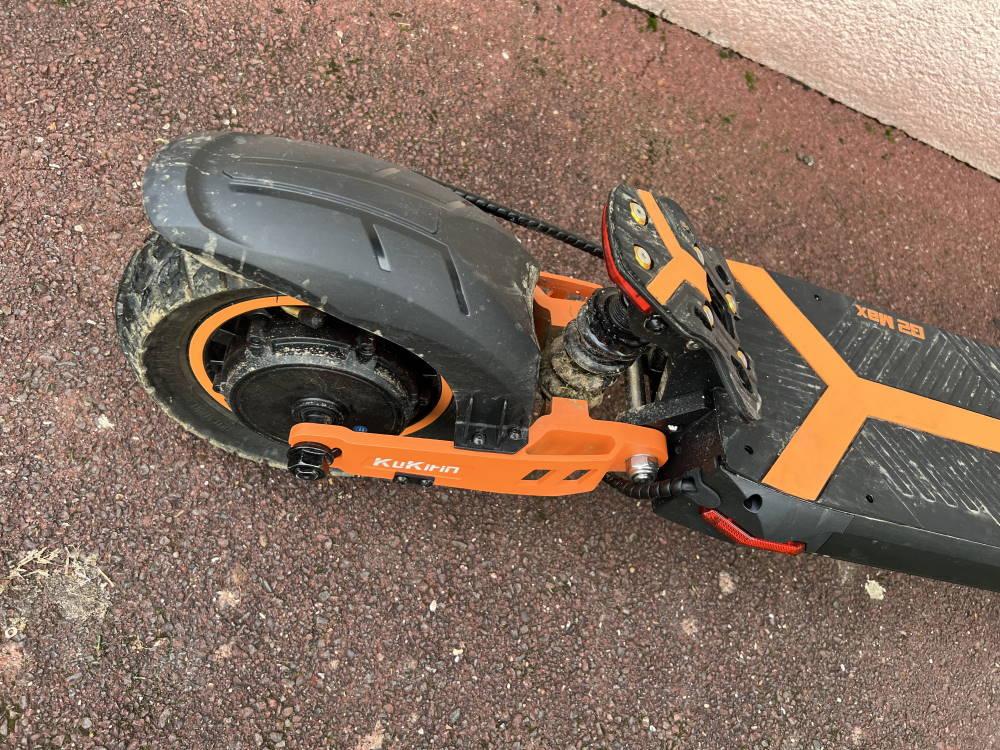
The KuKirin G2 Max rear fender is an essential component of the electric scooter, designed to protect the rider and surrounding components from water, mud, dirt, and road debris.
Positioned above the rear wheel, the KuKirin G2 Max rear mudguard helps prevent splashes from reaching the rider’s clothing and the rear section of the scooter, particularly when riding on wet or dirty roads.
Over time, the rear fender may become cracked, loose, or damaged due to vibrations, impacts, accidental falls, or everyday wear.
In this guide, we explain how to replace the KuKirin G2 Max rear fender, recognize common signs of damage, and maintain the mudguard to extend its service life. You will also find a YouTube replacement tutorial and a compatible replacement part.
How to Replace the KuKirin G2 Max Rear Fender
Replacing a damaged KuKirin G2 Max rear fender helps restore the scooter’s original protection against water splashes and road debris.
A properly fitted replacement mudguard should match the original mounting points and provide sufficient clearance above the rear tire.
Before beginning the replacement, switch off the scooter and make sure the replacement part is compatible with your KuKirin G2 Max version.
KuKirin G2 Max Rear Fender Replacement – YouTube Tutorial
Our YouTube tutorial shows how to remove the damaged rear mudguard and install a new KuKirin G2 Max rear fender.
The video demonstrates the replacement process, including access to the mounting points and correct positioning of the new component.
After installation, check that the rear fender is securely attached and does not touch the tire or interfere with the rear wheel.
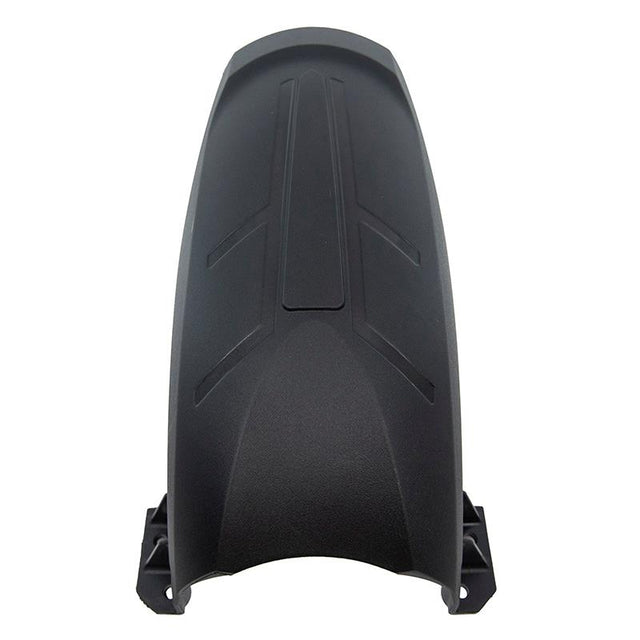
Original KuKirin G2 Max Rear Fender
If your original rear mudguard is cracked, broken, or missing, replacing it with a compatible KuKirin G2 Max rear fender can restore the scooter’s protection and appearance.

What Is the Role of the KuKirin G2 Max Rear Fender?
The KuKirin G2 Max rear fender serves as a protective barrier between the rear tire and the rider.
When the rear wheel rotates, its tread can pick up water, mud, sand, and small particles from the road surface.
Without a rear mudguard, these materials may be thrown upward toward the rider and the scooter’s rear components.
The rear fender provides several important benefits:
- Protection against water splashes: Reduces the amount of water thrown toward the rider when riding on wet surfaces.
- Protection against mud and dirt: Helps keep the rider’s clothing and the rear section of the scooter cleaner.
- Reduced exposure to road debris: Limits the amount of loose material projected upward by the rear tire.
- Original scooter appearance: Maintains the intended design and finish of the KuKirin G2 Max.
- Protection of nearby components: Helps reduce direct exposure of surrounding parts to dirt and splashes.
Although the rear fender is not part of the scooter’s motor or braking system, it contributes to everyday riding comfort and protection.
How Does the KuKirin G2 Max Rear Fender Work?
The KuKirin G2 Max rear fender works by covering the upper section of the rear wheel.
As the tire rotates, water and debris can be carried along its surface before being projected outward by centrifugal forces.
The curved shape of the mudguard intercepts part of this material and redirects it away from the rider.
Its effectiveness depends on several factors, including its length, position, distance from the tire, and overall condition.
A correctly installed rear fender should remain stable during riding while maintaining enough clearance to prevent contact with the rotating wheel.
If the mudguard becomes loose, bent, or cracked, its protective function may be reduced.
When Should You Replace the KuKirin G2 Max Rear Fender?
The KuKirin G2 Max rear fender should be replaced when damage affects its stability, protective function, or ability to remain securely attached.
Several warning signs can indicate that replacement is necessary.
KuKirin G2 Max Rear Fender Cracked or Broken
Cracks are among the most common types of rear mudguard damage.
They may appear after an impact, accidental fall, or repeated mechanical stress.
Even a small crack can gradually become larger when exposed to vibrations during everyday riding.
If the structure is significantly damaged, replacing the rear fender is generally preferable to attempting a temporary repair.
KuKirin G2 Max Rear Fender Loose or Vibrating
A rear fender that moves excessively or produces rattling noises may have loose mounting screws or damaged attachment points.
Repeated vibrations can gradually weaken the mounting area, particularly when riding on uneven roads.
If tightening the fasteners does not resolve the problem, inspect the fender for cracks or damaged mounting holes.
KuKirin G2 Max Rear Fender Touching the Tire
A bent or incorrectly positioned rear mudguard may come into contact with the rear tire.
This can produce rubbing noises and potentially damage the tire or fender.
If the mudguard cannot maintain sufficient clearance, the scooter should not be ridden until the problem has been corrected.
KuKirin G2 Max Rear Fender Damaged After a Fall
An accidental fall or collision may deform the rear fender or break its mounting points.
Even if the damage appears minor, it is important to check that the component remains correctly aligned.
A damaged mudguard may become unstable and interfere with the rear wheel during riding.
KuKirin G2 Max Rear Fender Missing
If the original rear fender has been completely removed or lost, the rear wheel will have less protection against water and road debris.
Installing a compatible replacement helps restore the scooter’s original configuration and improves riding comfort on wet or dirty surfaces.
What Should You Check Before Replacing the KuKirin G2 Max Rear Fender?
Before purchasing a new KuKirin G2 Max rear fender, inspect the surrounding components to determine whether the mudguard itself needs replacement.
Check the Mounting Screws
Loose screws can cause the rear fender to vibrate or move during riding.
Make sure the fasteners are present, correctly seated, and in good condition.
Inspect the Fender Mounting Points
The mounting holes and attachment areas may become cracked or damaged over time.
If the mounting points are broken, simply tightening the screws may not provide a reliable repair.
Examine the Rear Tire Clearance
Check the space between the mudguard and the rear tire.
There should be sufficient clearance to prevent rubbing, including when the suspension moves.
Inspect Nearby Components
Depending on the scooter’s configuration, rear lighting or electrical wiring may be located near the mudguard.
Check that these components are not damaged and that their connections will remain protected during replacement.
Verify Replacement Compatibility
Make sure the replacement mudguard is designed for the KuKirin G2 Max.
Rear fenders from other KuKirin models may look similar but can have different mounting points, dimensions, or shapes.
How to Maintain the KuKirin G2 Max Rear Fender
Regular maintenance can help prevent premature damage and extend the service life of the KuKirin G2 Max rear fender.
Clean the Rear Fender Regularly
Mud, sand, and dirt can accumulate underneath the mudguard.
Clean the component with a soft cloth or sponge and mild soapy water.
Avoid using high-pressure water directly around nearby electrical components.
Check the Mounting Screws
Inspect the mounting screws periodically to ensure the fender remains securely attached.
Vibrations from uneven roads may gradually loosen fasteners.
Avoid Applying Pressure to the Fender
The rear mudguard is designed to protect against splashes and debris, not to support the rider’s weight.
Avoid stepping on it, lifting the scooter by the fender, or using it as a carrying handle.
Inspect the Fender After Impacts
After a fall or collision, check for cracks, deformation, and damaged attachment points.
Also make sure the rear fender has not moved closer to the tire.
Monitor Unusual Vibrations
Rattling noises near the rear wheel may indicate a loose or damaged mudguard.
Investigating these noises early can help prevent additional damage.
KuKirin G2 Max Rear Fender: Frequently Asked Questions
What is the function of the KuKirin G2 Max rear fender?
The KuKirin G2 Max rear fender protects the rider and surrounding scooter components from water, mud, and road debris thrown upward by the rear tire.
Can I replace the KuKirin G2 Max rear fender myself?
Yes. The rear fender can be replaced using suitable tools and a compatible replacement part. Follow the YouTube tutorial included in this guide to see the replacement process.
Why is my KuKirin G2 Max rear fender rattling?
Rattling may be caused by loose mounting screws, cracked attachment points, or a damaged mudguard.
Inspect the fasteners and mounting areas before replacing the component.
Can I ride with a broken KuKirin G2 Max rear fender?
A cracked or loose fender may become detached or interfere with the rear wheel.
If the component is unstable, rubbing against the tire, or at risk of breaking off, avoid riding until it has been repaired or replaced.
Are KuKirin G2 Max and KuKirin G2 rear fenders interchangeable?
Not necessarily. Different KuKirin models may use different fender shapes, mounting points, and dimensions.
Always verify compatibility before ordering a replacement.
Why does my KuKirin G2 Max rear fender keep breaking?
Repeated damage may be caused by excessive vibrations, impacts, incorrect installation, loose fasteners, or pressure applied to the mudguard.
Checking the mounting system can help identify the underlying problem.
Does the KuKirin G2 Max rear fender protect against rain?
The rear fender helps reduce water splashes from the rotating rear tire, but it does not make the scooter waterproof or prevent all water from reaching the rider.
Where can I find a KuKirin G2 Max rear fender replacement tutorial?
You can watch the YouTube video included near the beginning of this guide to learn how to remove and replace the rear mudguard.
Conclusion
The KuKirin G2 Max rear fender is an important protective component that helps reduce water splashes, mud, and road debris during everyday riding.
Although it is relatively simple, the mudguard is exposed to vibrations, impacts, and mechanical stress that can cause cracks or mounting problems over time.
Regular cleaning, periodic inspection of the mounting screws, and timely replacement can help preserve its protective function.
If your KuKirin G2 Max rear fender is damaged, loose, or missing, use the YouTube replacement tutorial and choose a compatible replacement part to restore the scooter’s original protection and appearance.

Leave a Reply